 bc4e6db749
Solves #700 ## State of the World Before Prior to this PR, when users wanted to share file contents with Codex, they had two options: - Manually copy and paste file contents into the chat - Wait for the assistant to use the shell tool to view the file The second approach required the assistant to: 1. Recognize the need to view a file 2. Execute a shell tool call 3. Wait for the tool call to complete 4. Process the file contents This consumed extra tokens and reduced user control over which files were shared with the model. ## State of the World After With this PR, users can now: - Reference files directly in their chat input using the `@path` syntax - Have file contents automatically expanded into XML blocks before being sent to the LLM For example, users can type `@src/utils/config.js` in their message, and the file contents will be included in context. Within the terminal chat history, these file blocks will be collapsed back to `@path` format in the UI for clean presentation. Tag File suggestions: <img width="857" alt="file-suggestions" src="https://github.com/user-attachments/assets/397669dc-ad83-492d-b5f0-164fab2ff4ba" /> Tagging files in action: <img width="858" alt="tagging-files" src="https://github.com/user-attachments/assets/0de9d559-7b7f-4916-aeff-87ae9b16550a" /> Demo video of file tagging: [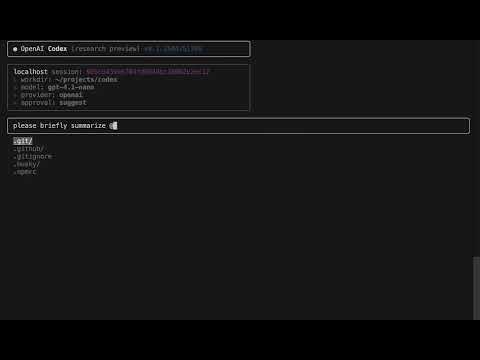](https://www.youtube.com/watch?v=vL4LqtBnqt8) ## Implementation Details This PR consists of 2 main components: 1. **File Tag Utilities**: - New `file-tag-utils.ts` utility module that handles both expansion and collapsing of file tags - `expandFileTags()` identifies `@path` tokens and replaces them with XML blocks containing file contents - `collapseXmlBlocks()` reverses the process, converting XML blocks back to `@path` format for UI display - Tokens are only expanded if they point to valid files (directories are ignored) - Expansion happens just before sending input to the model 2. **Terminal Chat Integration**: - Leveraged the existing file system completion system for tabbing to support the `@path` syntax - Added `updateFsSuggestions` helper to manage filesystem suggestions - Added `replaceFileSystemSuggestion` to replace input with filesystem suggestions - Applied `collapseXmlBlocks` in the chat response rendering so that tagged files are shown as simple `@path` tags The PR also includes test coverage for both the UI and the file tag utilities. ## Next Steps Some ideas I'd like to implement if this feature gets merged: - Line selection: `@path[50:80]` to grab specific sections of files - Method selection: `@path#methodName` to grab just one function/class - Visual improvements: highlight file tags in the UI to make them more noticeable

393 lines
14 KiB
TypeScript
393 lines
14 KiB
TypeScript
/* eslint-disable @typescript-eslint/no-explicit-any */
|
||
|
||
import { useTerminalSize } from "../../hooks/use-terminal-size";
|
||
import TextBuffer from "../../text-buffer.js";
|
||
import chalk from "chalk";
|
||
import { Box, Text, useInput } from "ink";
|
||
import { EventEmitter } from "node:events";
|
||
import React, { useRef, useState } from "react";
|
||
|
||
/* --------------------------------------------------------------------------
|
||
* Polyfill missing `ref()` / `unref()` methods on the mock `Stdin` stream
|
||
* provided by `ink-testing-library`.
|
||
*
|
||
* The real `process.stdin` object exposed by Node.js inherits these methods
|
||
* from `Socket`, but the lightweight stub used in tests only extends
|
||
* `EventEmitter`. Ink calls the two methods when enabling/disabling raw
|
||
* mode, so make them harmless no-ops when they're absent to avoid runtime
|
||
* failures during unit tests.
|
||
* ----------------------------------------------------------------------- */
|
||
|
||
// Cast through `unknown` ➜ `any` to avoid the `TS2352`/`TS4111` complaints
|
||
// when augmenting the prototype with the stubbed `ref`/`unref` methods in the
|
||
// test environment. Using `any` here is acceptable because we purposefully
|
||
// monkey‑patch internals of Node's `EventEmitter` solely for the benefit of
|
||
// Ink's stdin stub – type‑safety is not a primary concern at this boundary.
|
||
//
|
||
const proto: any = EventEmitter.prototype;
|
||
|
||
if (typeof proto["ref"] !== "function") {
|
||
proto["ref"] = function ref() {};
|
||
}
|
||
if (typeof proto["unref"] !== "function") {
|
||
proto["unref"] = function unref() {};
|
||
}
|
||
|
||
/*
|
||
* The `ink-testing-library` stub emits only a `data` event when its `stdin`
|
||
* mock receives `write()` calls. Ink, however, listens for `readable` and
|
||
* uses the `read()` method to fetch the buffered chunk. Bridge the gap by
|
||
* hooking into `EventEmitter.emit` so that every `data` emission also:
|
||
* 1. Buffers the chunk for a subsequent `read()` call, and
|
||
* 2. Triggers a `readable` event, matching the contract expected by Ink.
|
||
*/
|
||
|
||
// Preserve original emit to avoid infinite recursion.
|
||
// eslint‑disable‑next‑line @typescript-eslint/no‑unsafe‑assignment
|
||
const originalEmit = proto["emit"] as (...args: Array<any>) => boolean;
|
||
|
||
proto["emit"] = function patchedEmit(
|
||
this: any,
|
||
event: string,
|
||
...args: Array<any>
|
||
): boolean {
|
||
if (event === "data") {
|
||
const chunk = args[0] as string;
|
||
|
||
if (
|
||
process.env["TEXTBUFFER_DEBUG"] === "1" ||
|
||
process.env["TEXTBUFFER_DEBUG"] === "true"
|
||
) {
|
||
// eslint-disable-next-line no-console
|
||
console.log("[MultilineTextEditor:stdin] data", JSON.stringify(chunk));
|
||
}
|
||
// Store carriage returns as‑is so that Ink can distinguish between plain
|
||
// <Enter> ("\r") and a bare line‑feed ("\n"). This matters because Ink's
|
||
// `parseKeypress` treats "\r" as key.name === "return", whereas "\n" maps
|
||
// to "enter" – allowing us to differentiate between plain Enter (submit)
|
||
// and Shift+Enter (insert newline) inside `useInput`.
|
||
|
||
// Identify the lightweight testing stub: lacks `.read()` but exposes
|
||
// `.setRawMode()` and `isTTY` similar to the real TTY stream.
|
||
if (
|
||
!(this as any)._inkIsStub &&
|
||
typeof (this as any).setRawMode === "function" &&
|
||
typeof (this as any).isTTY === "boolean" &&
|
||
typeof (this as any).read !== "function"
|
||
) {
|
||
(this as any)._inkIsStub = true;
|
||
|
||
// Provide a minimal `read()` shim so Ink can pull queued chunks.
|
||
(this as any).read = function read() {
|
||
const ret = (this as any)._inkBuffered ?? null;
|
||
(this as any)._inkBuffered = null;
|
||
if (
|
||
process.env["TEXTBUFFER_DEBUG"] === "1" ||
|
||
process.env["TEXTBUFFER_DEBUG"] === "true"
|
||
) {
|
||
// eslint-disable-next-line no-console
|
||
console.log("[MultilineTextEditor:stdin.read]", JSON.stringify(ret));
|
||
}
|
||
return ret;
|
||
};
|
||
}
|
||
|
||
if ((this as any)._inkIsStub) {
|
||
// Buffer the payload so that `read()` can synchronously retrieve it.
|
||
if (typeof (this as any)._inkBuffered === "string") {
|
||
(this as any)._inkBuffered += chunk;
|
||
} else {
|
||
(this as any)._inkBuffered = chunk;
|
||
}
|
||
|
||
// Notify listeners that data is ready in a way Ink understands.
|
||
if (
|
||
process.env["TEXTBUFFER_DEBUG"] === "1" ||
|
||
process.env["TEXTBUFFER_DEBUG"] === "true"
|
||
) {
|
||
// eslint-disable-next-line no-console
|
||
console.log(
|
||
"[MultilineTextEditor:stdin] -> readable",
|
||
JSON.stringify(chunk),
|
||
);
|
||
}
|
||
originalEmit.call(this, "readable");
|
||
}
|
||
}
|
||
|
||
// Forward the original event.
|
||
return originalEmit.call(this, event, ...args);
|
||
};
|
||
|
||
export interface MultilineTextEditorProps {
|
||
// Initial contents.
|
||
readonly initialText?: string;
|
||
|
||
// Visible width.
|
||
readonly width?: number;
|
||
|
||
// Visible height.
|
||
readonly height?: number;
|
||
|
||
// Called when the user submits (plain <Enter> key).
|
||
readonly onSubmit?: (text: string) => void;
|
||
|
||
// Capture keyboard input.
|
||
readonly focus?: boolean;
|
||
|
||
// Called when the internal text buffer updates.
|
||
readonly onChange?: (text: string) => void;
|
||
|
||
// Optional initial cursor position (character offset)
|
||
readonly initialCursorOffset?: number;
|
||
}
|
||
|
||
// Expose a minimal imperative API so parent components (e.g. TerminalChatInput)
|
||
// can query the caret position to implement behaviours like history
|
||
// navigation that depend on whether the cursor sits on the first/last line.
|
||
export interface MultilineTextEditorHandle {
|
||
/** Current caret row */
|
||
getRow(): number;
|
||
/** Current caret column */
|
||
getCol(): number;
|
||
/** Total number of lines in the buffer */
|
||
getLineCount(): number;
|
||
/** Helper: caret is on the very first row */
|
||
isCursorAtFirstRow(): boolean;
|
||
/** Helper: caret is on the very last row */
|
||
isCursorAtLastRow(): boolean;
|
||
/** Full text contents */
|
||
getText(): string;
|
||
/** Move the cursor to the end of the text */
|
||
moveCursorToEnd(): void;
|
||
}
|
||
|
||
const MultilineTextEditorInner = (
|
||
{
|
||
initialText = "",
|
||
// Width can be provided by the caller. When omitted we fall back to the
|
||
// current terminal size (minus some padding handled by `useTerminalSize`).
|
||
width,
|
||
height = 10,
|
||
onSubmit,
|
||
focus = true,
|
||
onChange,
|
||
initialCursorOffset,
|
||
}: MultilineTextEditorProps,
|
||
ref: React.Ref<MultilineTextEditorHandle | null>,
|
||
): React.ReactElement => {
|
||
// ---------------------------------------------------------------------------
|
||
// Editor State
|
||
// ---------------------------------------------------------------------------
|
||
|
||
const buffer = useRef(new TextBuffer(initialText, initialCursorOffset));
|
||
const [version, setVersion] = useState(0);
|
||
|
||
// Keep track of the current terminal size so that the editor grows/shrinks
|
||
// with the window. `useTerminalSize` already subtracts a small horizontal
|
||
// padding so that we don't butt up right against the edge.
|
||
const terminalSize = useTerminalSize();
|
||
|
||
// If the caller didn't specify a width we dynamically choose one based on
|
||
// the terminal's current column count. We still enforce a reasonable
|
||
// minimum so that the UI never becomes unusably small.
|
||
const effectiveWidth = Math.max(20, width ?? terminalSize.columns);
|
||
|
||
// ---------------------------------------------------------------------------
|
||
// Keyboard handling.
|
||
// ---------------------------------------------------------------------------
|
||
|
||
useInput(
|
||
(input, key) => {
|
||
if (!focus) {
|
||
return;
|
||
}
|
||
|
||
if (
|
||
process.env["TEXTBUFFER_DEBUG"] === "1" ||
|
||
process.env["TEXTBUFFER_DEBUG"] === "true"
|
||
) {
|
||
// eslint-disable-next-line no-console
|
||
console.log("[MultilineTextEditor] event", { input, key });
|
||
}
|
||
|
||
// 1a) CSI-u / modifyOtherKeys *mode 2* (Ink strips initial ESC, so we
|
||
// start with '[') – format: "[<code>;<modifiers>u".
|
||
if (input.startsWith("[") && input.endsWith("u")) {
|
||
const m = input.match(/^\[([0-9]+);([0-9]+)u$/);
|
||
if (m && m[1] === "13") {
|
||
const mod = Number(m[2]);
|
||
// In xterm's encoding: bit-1 (value 2) is Shift. Everything >1 that
|
||
// isn't exactly 1 means some modifier was held. We treat *shift or
|
||
// alt present* (2,3,4,6,8,9) as newline; Ctrl (bit-2 / value 4)
|
||
// triggers submit. See xterm/DEC modifyOtherKeys docs.
|
||
|
||
const hasCtrl = Math.floor(mod / 4) % 2 === 1;
|
||
if (hasCtrl) {
|
||
if (onSubmit) {
|
||
onSubmit(buffer.current.getText());
|
||
}
|
||
} else {
|
||
buffer.current.newline();
|
||
}
|
||
setVersion((v) => v + 1);
|
||
return;
|
||
}
|
||
}
|
||
|
||
// 1b) CSI-~ / modifyOtherKeys *mode 1* – format: "[27;<mod>;<code>~".
|
||
// Terminals such as iTerm2 (default), older xterm versions, or when
|
||
// modifyOtherKeys=1 is configured, emit this legacy sequence. We
|
||
// translate it to the same behaviour as the mode‑2 variant above so
|
||
// that Shift+Enter (newline) / Ctrl+Enter (submit) work regardless
|
||
// of the user’s terminal settings.
|
||
if (input.startsWith("[27;") && input.endsWith("~")) {
|
||
const m = input.match(/^\[27;([0-9]+);13~$/);
|
||
if (m) {
|
||
const mod = Number(m[1]);
|
||
const hasCtrl = Math.floor(mod / 4) % 2 === 1;
|
||
|
||
if (hasCtrl) {
|
||
if (onSubmit) {
|
||
onSubmit(buffer.current.getText());
|
||
}
|
||
} else {
|
||
buffer.current.newline();
|
||
}
|
||
setVersion((v) => v + 1);
|
||
return;
|
||
}
|
||
}
|
||
|
||
// 2) Single‑byte control chars ------------------------------------------------
|
||
if (input === "\n") {
|
||
// Ctrl+J or pasted newline → insert newline.
|
||
buffer.current.newline();
|
||
setVersion((v) => v + 1);
|
||
return;
|
||
}
|
||
|
||
if (input === "\r") {
|
||
// Plain Enter – submit (works on all basic terminals).
|
||
if (onSubmit) {
|
||
onSubmit(buffer.current.getText());
|
||
}
|
||
return;
|
||
}
|
||
|
||
// Let <Esc> fall through so the parent handler (if any) can act on it.
|
||
|
||
// Delegate remaining keys to our pure TextBuffer
|
||
if (
|
||
process.env["TEXTBUFFER_DEBUG"] === "1" ||
|
||
process.env["TEXTBUFFER_DEBUG"] === "true"
|
||
) {
|
||
// eslint-disable-next-line no-console
|
||
console.log("[MultilineTextEditor] key event", { input, key });
|
||
}
|
||
|
||
const modified = buffer.current.handleInput(
|
||
input,
|
||
key as Record<string, boolean>,
|
||
{ height, width: effectiveWidth },
|
||
);
|
||
if (modified) {
|
||
setVersion((v) => v + 1);
|
||
}
|
||
|
||
const newText = buffer.current.getText();
|
||
if (onChange) {
|
||
onChange(newText);
|
||
}
|
||
},
|
||
{ isActive: focus },
|
||
);
|
||
|
||
// ---------------------------------------------------------------------------
|
||
// Rendering helpers.
|
||
// ---------------------------------------------------------------------------
|
||
|
||
/* ------------------------------------------------------------------------- */
|
||
/* Imperative handle – expose a read‑only view of caret & buffer geometry */
|
||
/* ------------------------------------------------------------------------- */
|
||
|
||
React.useImperativeHandle(
|
||
ref,
|
||
() => ({
|
||
getRow: () => buffer.current.getCursor()[0],
|
||
getCol: () => buffer.current.getCursor()[1],
|
||
getLineCount: () => buffer.current.getText().split("\n").length,
|
||
isCursorAtFirstRow: () => buffer.current.getCursor()[0] === 0,
|
||
isCursorAtLastRow: () => {
|
||
const [row] = buffer.current.getCursor();
|
||
const lineCount = buffer.current.getText().split("\n").length;
|
||
return row === lineCount - 1;
|
||
},
|
||
getText: () => buffer.current.getText(),
|
||
moveCursorToEnd: () => {
|
||
buffer.current.move("home");
|
||
const lines = buffer.current.getText().split("\n");
|
||
for (let i = 0; i < lines.length - 1; i++) {
|
||
buffer.current.move("down");
|
||
}
|
||
buffer.current.move("end");
|
||
// Force a re-render
|
||
setVersion((v) => v + 1);
|
||
},
|
||
}),
|
||
[],
|
||
);
|
||
|
||
// Read everything from the buffer
|
||
const visibleLines = buffer.current.getVisibleLines({
|
||
height,
|
||
width: effectiveWidth,
|
||
});
|
||
const [cursorRow, cursorCol] = buffer.current.getCursor();
|
||
const scrollRow = (buffer.current as any).scrollRow as number;
|
||
const scrollCol = (buffer.current as any).scrollCol as number;
|
||
|
||
return (
|
||
<Box flexDirection="column" key={version}>
|
||
{visibleLines.map((lineText, idx) => {
|
||
const absoluteRow = scrollRow + idx;
|
||
|
||
// apply horizontal slice
|
||
let display = lineText.slice(scrollCol, scrollCol + effectiveWidth);
|
||
if (display.length < effectiveWidth) {
|
||
display = display.padEnd(effectiveWidth, " ");
|
||
}
|
||
|
||
// Highlight the *character under the caret* (i.e. the one immediately
|
||
// to the right of the insertion position) so that the block cursor
|
||
// visually matches the logical caret location. This makes the
|
||
// highlighted glyph the one that would be replaced by `insert()` and
|
||
// *not* the one that would be removed by `backspace()`.
|
||
|
||
if (absoluteRow === cursorRow) {
|
||
const relativeCol = cursorCol - scrollCol;
|
||
const highlightCol = relativeCol;
|
||
|
||
if (highlightCol >= 0 && highlightCol < effectiveWidth) {
|
||
const charToHighlight = display[highlightCol] || " ";
|
||
const highlighted = chalk.inverse(charToHighlight);
|
||
display =
|
||
display.slice(0, highlightCol) +
|
||
highlighted +
|
||
display.slice(highlightCol + 1);
|
||
} else if (relativeCol === effectiveWidth) {
|
||
// Caret sits just past the right edge; show a block cursor in the
|
||
// gutter so the user still sees it.
|
||
display = display.slice(0, effectiveWidth - 1) + chalk.inverse(" ");
|
||
}
|
||
}
|
||
|
||
return <Text key={idx}>{display}</Text>;
|
||
})}
|
||
</Box>
|
||
);
|
||
};
|
||
|
||
const MultilineTextEditor = React.forwardRef(MultilineTextEditorInner);
|
||
export default MultilineTextEditor;
|